Blog · 2026-11-12
OEM vs ODM vs Private Label Toys: What's the Difference?
Three ways to put your name on a toy. The difference is who owns the design, what can change, and what you have to approve before bulk.
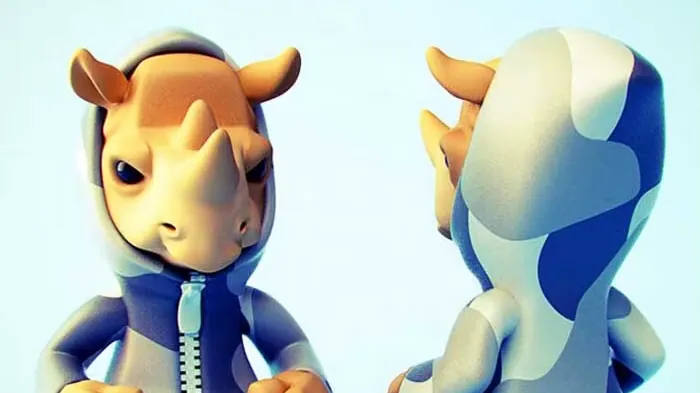
Buyers use these three labels as if they were interchangeable. They are not. The useful distinction is practical: who already has a design, what you are allowed to change, and what the sample has to prove before anyone talks about bulk.
On this site the same idea is written as three paths: you already like the piece, you have a reference, or you have a season. The vocabulary below is the one buyers search. The work is the same. Whisker & Co. is a sourcing desk. We work with partner workshops. We will not copy a character, a registered shape, or someone else's reserved design, and we will not invent a minimum or a lead time on this page.
OEM
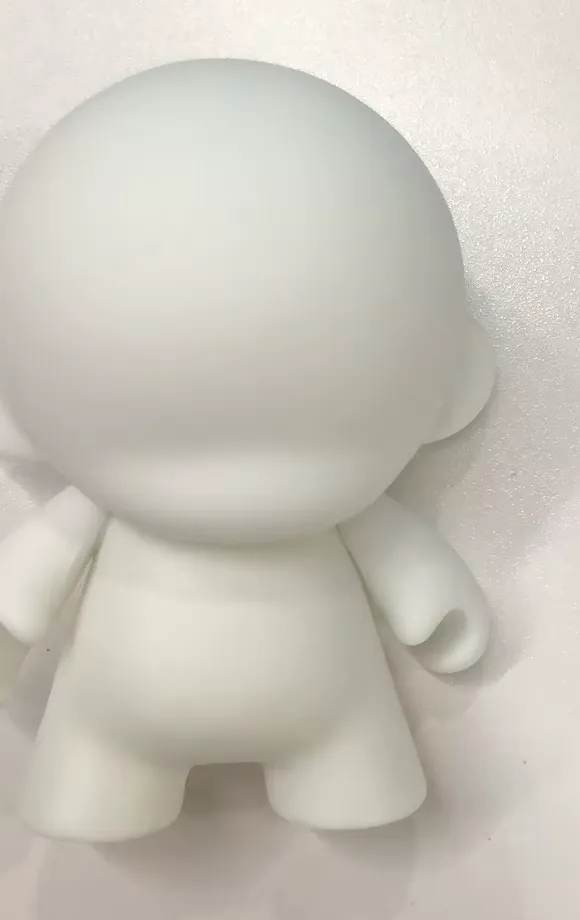
OEM, as buyers usually mean it here, is manufacturing to your design. You arrive with artwork, a model, or a brief you own. The workshop develops a sample that follows that brief. You approve the sample. Bulk repeats it.
This is the path for a mascot you commissioned, a brick set you have the right to make, or a fidget shape you already own. The file you send decides how faithful the first sample can be. A blurry screenshot is not a sculpt brief. A marked-up drawing with color callouts is.
Tooling, when it is needed, is a separate conversation: what has to be cut, who pays for it, and who owns it once the invoice is paid. We will not hide that inside a unit price and hope you do not ask. The sequence from idea to first sample is in the note on toy prototyping.
ODM
ODM, as buyers usually mean it here, starts from a design the workshop can already legally use. You are not inventing the object from a blank page. You are choosing a current shape, or a shape in a workshop's own line, and deciding what should change: a colorway, a simpler face, a different material, a new pack.
The limit is the right to use the shape. A popular silhouette you saw on someone else's listing is not a starting point we will take. A mold the workshop already owns, or a direction we can defend, is.
ODM is often faster to sample than a new sculpt, because part of the work already exists. It is not a shortcut around approval. A color change, a logo, or a new box still has to be confirmed on a piece you can hold.
Private label
Private label is the buyer's name on the goods. In practice it often sits on top of either path above. You might decorate a current item — a logo, a header card, a barcode, a retail box around a shape that already exists. You might also put your brand on an OEM sculpt. The private-label question is about the pack and the identity the shopper sees, not only about who drew the toy.
Retailers and marketplace sellers usually feel this first: the card, the barcode, the warnings, the age grade they will actually print. The companion note is private label toys for retailers and Amazon sellers. The pack itself is covered in custom packaging.
A side-by-side view
| OEM | ODM | Private label | |
|---|---|---|---|
| Starting point | Your design, or a brief you own | A shape the workshop can legally use | Your brand on the goods and the pack |
| What usually changes | The object itself: sculpt, parts, material | Color, finish, a legal adjustment, the pack | Logo, card, box, barcode, label text |
| What you must own or clear | The character, the shape, the artwork | The right to use and adjust that shape | The mark you are putting on the pack |
| The sample must prove | That the design can be made as agreed | That the change is real, and still legal | That the branded pack matches the item |
| Common fit | A brand building its own object | A buyer who likes a current piece | Retailers, Amazon sellers, promo houses |
These columns can overlap. A private-label order can be an ODM colorway in your box, or an OEM figure with your hang tag. Say which one you think it is. We will say if we disagree, before anyone cuts a tool.
Which path is yours
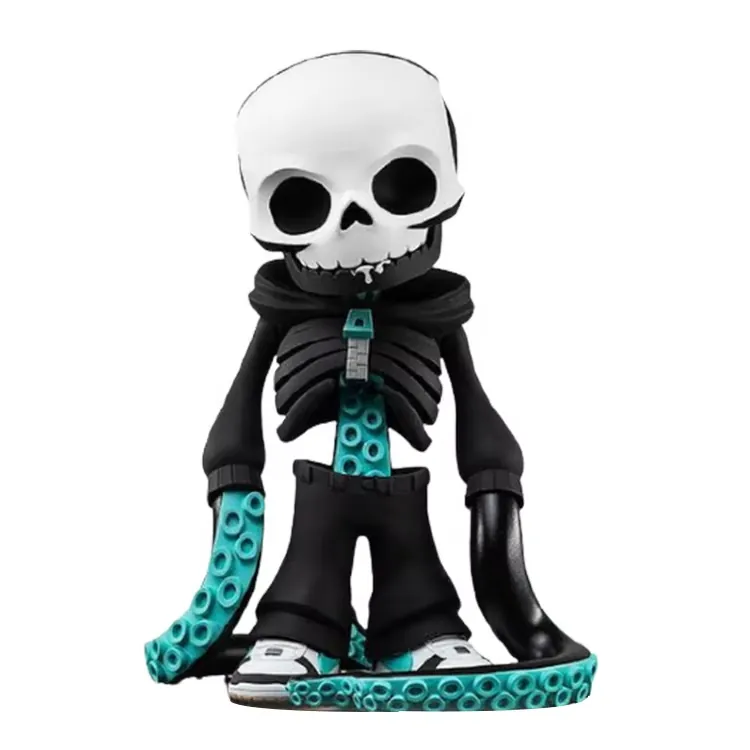
If you already like a piece on this site, start there. If you have a reference, send the reference and the change that matters, and say you have the right to develop it. If you have a season and no SKU, say the channel and what you will not sell. The three paths page is the operational version of this table.
In every path, bulk follows an approved sample. A change after approval is a new approval. That rule is why the sample is approved before bulk.
When you are ready, send the brief. One sentence on who owns the design will save the longest delay.