Blog · 2026-11-12
Toy Prototyping: How a Custom Toy Goes from Idea to Sample
A prototype is not a courtesy. It is the first time the brief becomes a thing you can hold, and the last honest chance to change it cheaply.
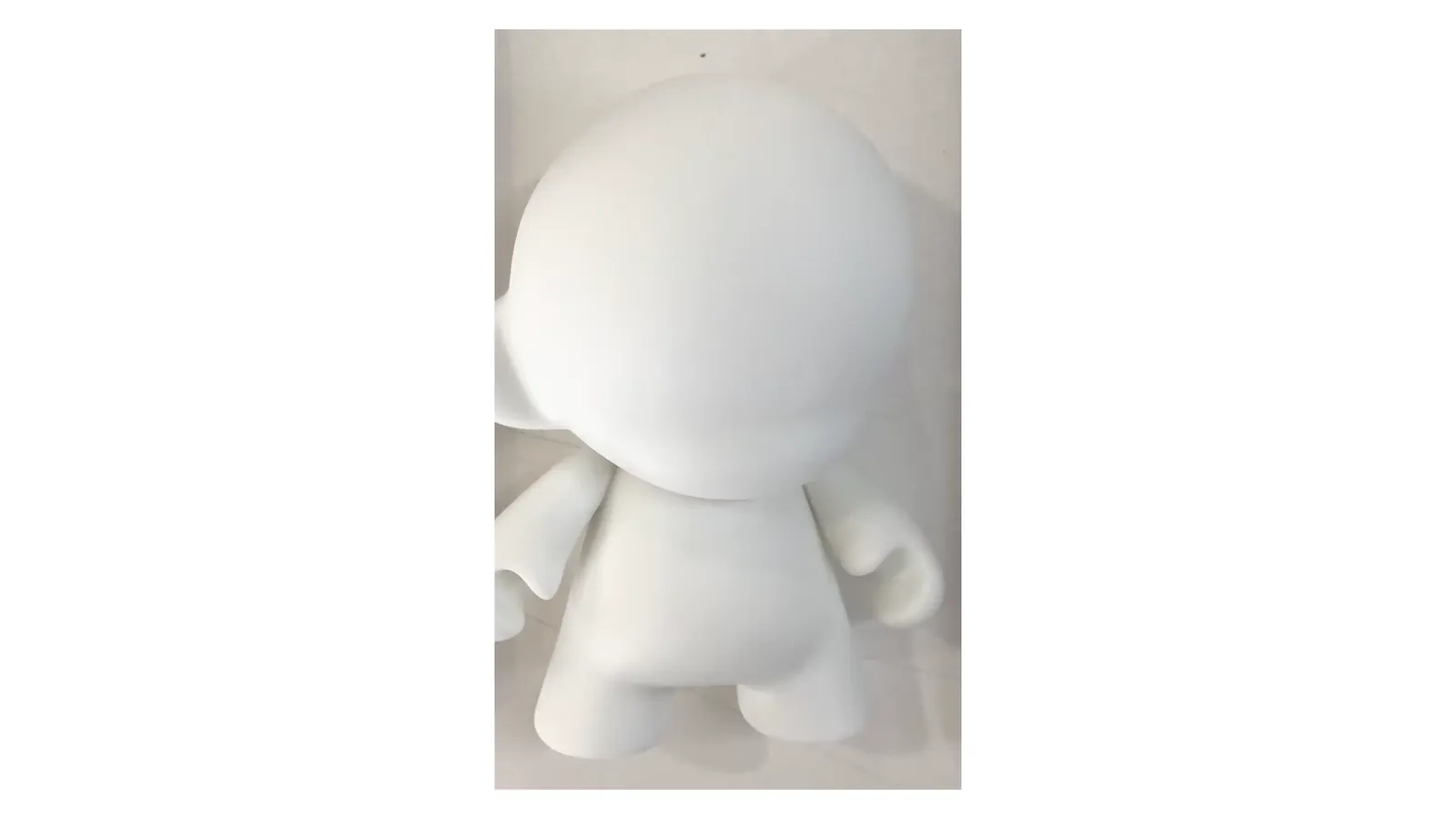
A custom toy starts as a picture and a purpose. The prototype is the first time that brief becomes an object. If you skip it, or treat it as a formality, bulk will be asked to invent the toy you thought you had already agreed.
This note is the path from idea to a first sample you can approve. It is not the same as why the sample is approved before bulk, which is the rule that comes after. Whisker & Co. is a sourcing desk. We work with partner workshops. We will not promise a method, a duration, or a cost on this page. Those belong on a quotation, after the object is understood.
Start with a brief you can defend
Send the artwork you actually own, or name the current piece you want to decorate. A front view, a side if you have one, color callouts, and a note about size as a person would hold it are useful. A single blurry screenshot is not.
Say what the toy is for, and which market it is going to. A desk mascot, a brick display, and a squeeze toy ask for different first models. Say who owns the character or the shape. If it is someone else's, we will not develop it.
The three paths page is the short version: a current item, a legal reference, or a season. Prototyping is heavier on the first two when the object itself has to be made, not only packed.
Review before anyone makes a piece
Someone has to look at the brief as a thing that can be manufactured. Hair, thin accessories, undercuts, a face that only works from one angle, a fill that cannot be sealed, a brick connection that will not hold: these are design conversations, not refusals.
We will flag a part that should be thickened, combined, or turned into a separate accessory. You can accept the change, or keep the detail and accept the risk. You should not do neither and hope the workshop "makes it work in production."
The first model
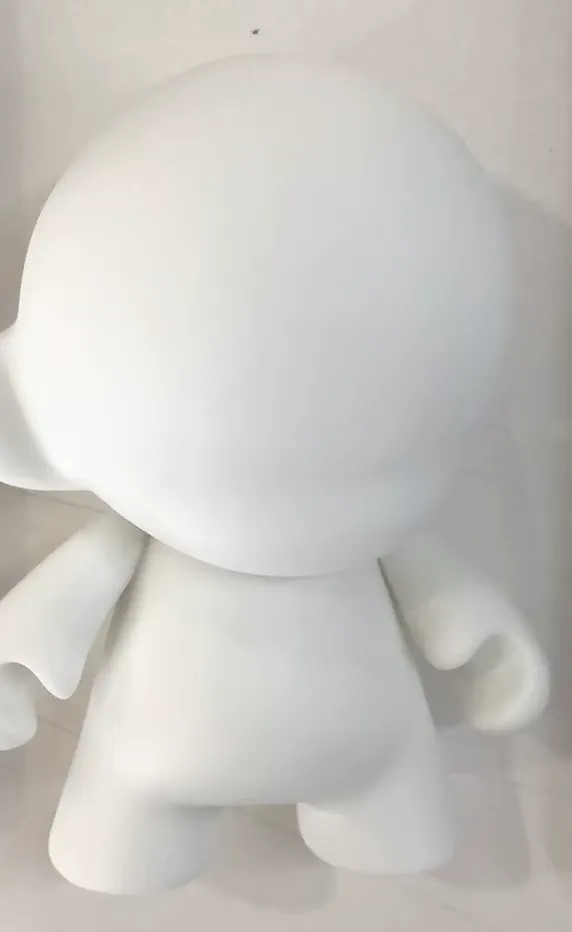
The first model depends on the object.
For a vinyl or PVC figure, it is usually a sculpt you can review as a render, a digital model, or a physical unpainted piece, before paint is treated as final. Approving a front view and being surprised by the side is a common and avoidable problem. The longer sequence is in designing a vinyl figure.
For a brick set, the first honest model is a buildable set with a part list, not only a pretty render. Someone who is not the designer should be able to build it. That path is in how a custom brick set goes from idea to bulk.
For a squishy or a fidget, the first sample is often a first shot in the intended material, or a close existing shape used to prove feel and odor before a new cavity is cut. What a squishy sample should prove is the checklist.
A first model may be made by more than one route. The useful question is not the workshop's favorite tool. It is whether the piece in front of you represents the object you intend to sell, closely enough to approve the next step.
Color, then the packed sample
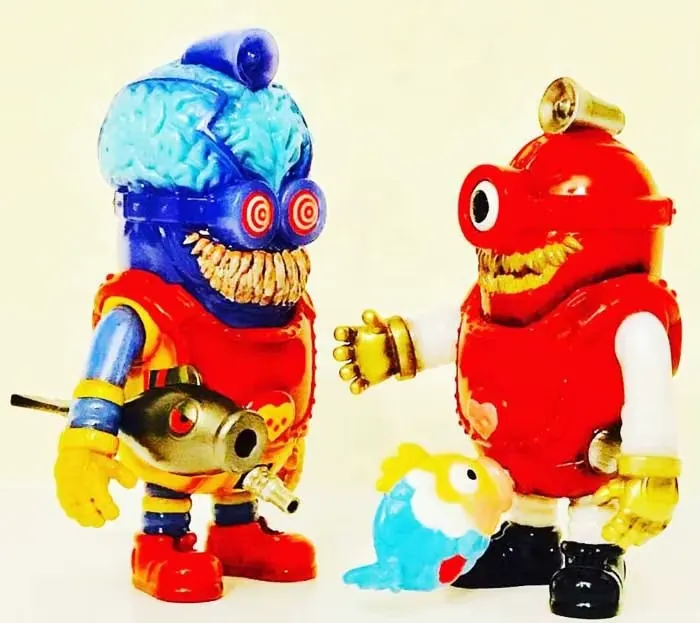
Color is its own approval. A painted master, a molded color chip, or a pad-print placement can all be "the color," and they are not the same thing. A brand color on a printed swatch will not look identical on a soft plastic under every light. Say what has to be close, and what can be accepted as near.
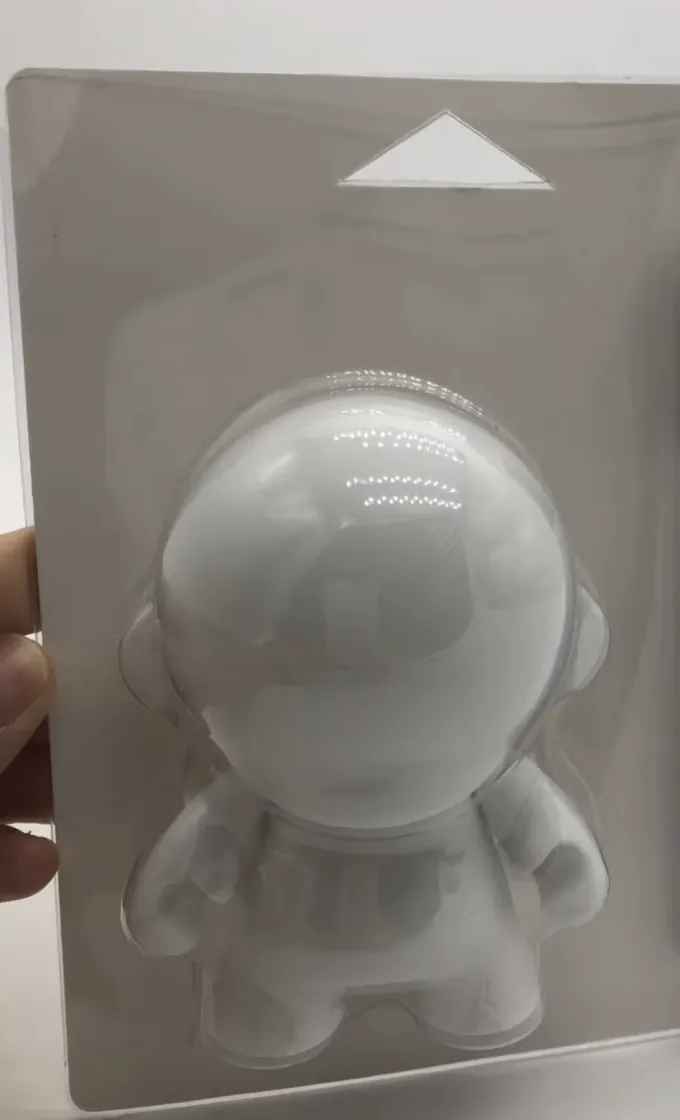
The packed sample is the first time the toy and the pack meet. A figure that leans in the tray will arrive leaning. A squishy that creases in a tight window will arrive creased. If the pack is part of what you sell, the prototype is not finished until the pack has had its say.
What approval means
Approve the question you named: silhouette, color, feel, odor, the logo, the booklet, the tray. Write the result down. "Approved," "approved except the lid color," or "rejected, scent" are useful sentences. "Seems ok" is not.
Once the sample is approved, that piece is the reference for tooling completion, for bulk, and for inspection. A change after approval is a new approval, even when it feels small. The rule, and the golden sample, are in the sampling note linked above.
When you have a brief, or only a rough mascot and a market, send the brief. Tell us what the first sample must prove. We will tell you what we can prototype, and what has to wait.