Blog · 2026-11-12
Soft Vinyl vs Hard PVC for Custom Figures
Soft vinyl and hard PVC can both make a figure. They do not feel the same, they do not take paint the same way, and the brief should name which one you mean.
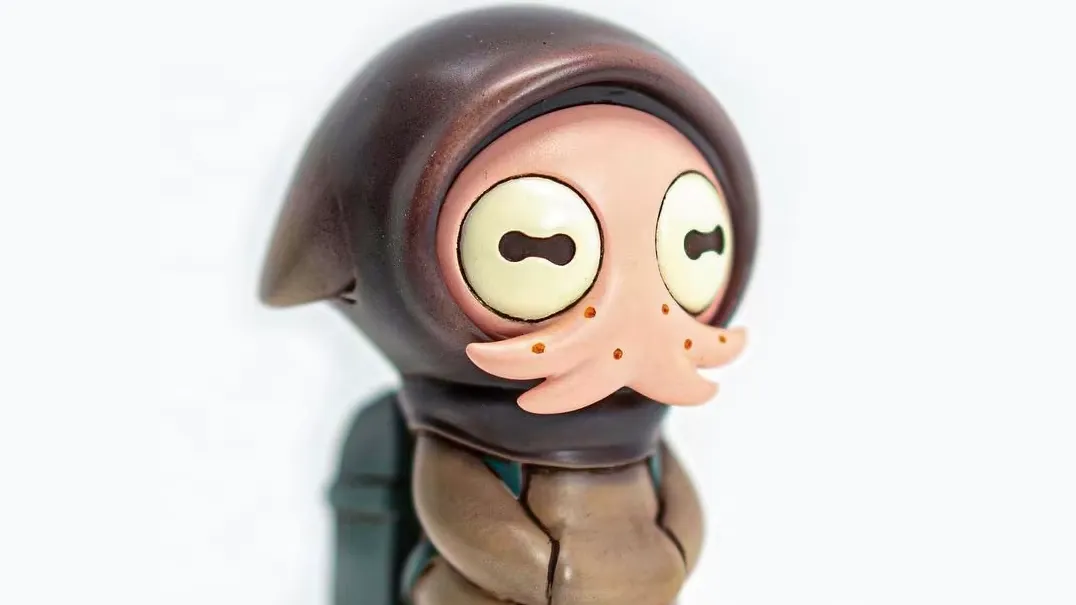
Buyers ask for "custom vinyl figures" and sometimes mean a soft, slightly flexible designer toy. Sometimes they mean a hard, sharp display figurine. Both can be made in a partner workshop. They are not the same brief, and they should not be sampled as if they were.
This note compares the two materials the way a wholesale buyer has to think about them: feel, detail, paint, and what the first sample must prove. The product line is vinyl designer figures. The sculpt-to-paint sequence is in designing a vinyl figure. Whisker & Co. is a sourcing desk. We will not claim a process name as a guarantee, and we will not invent a size or a cost here.
Soft vinyl
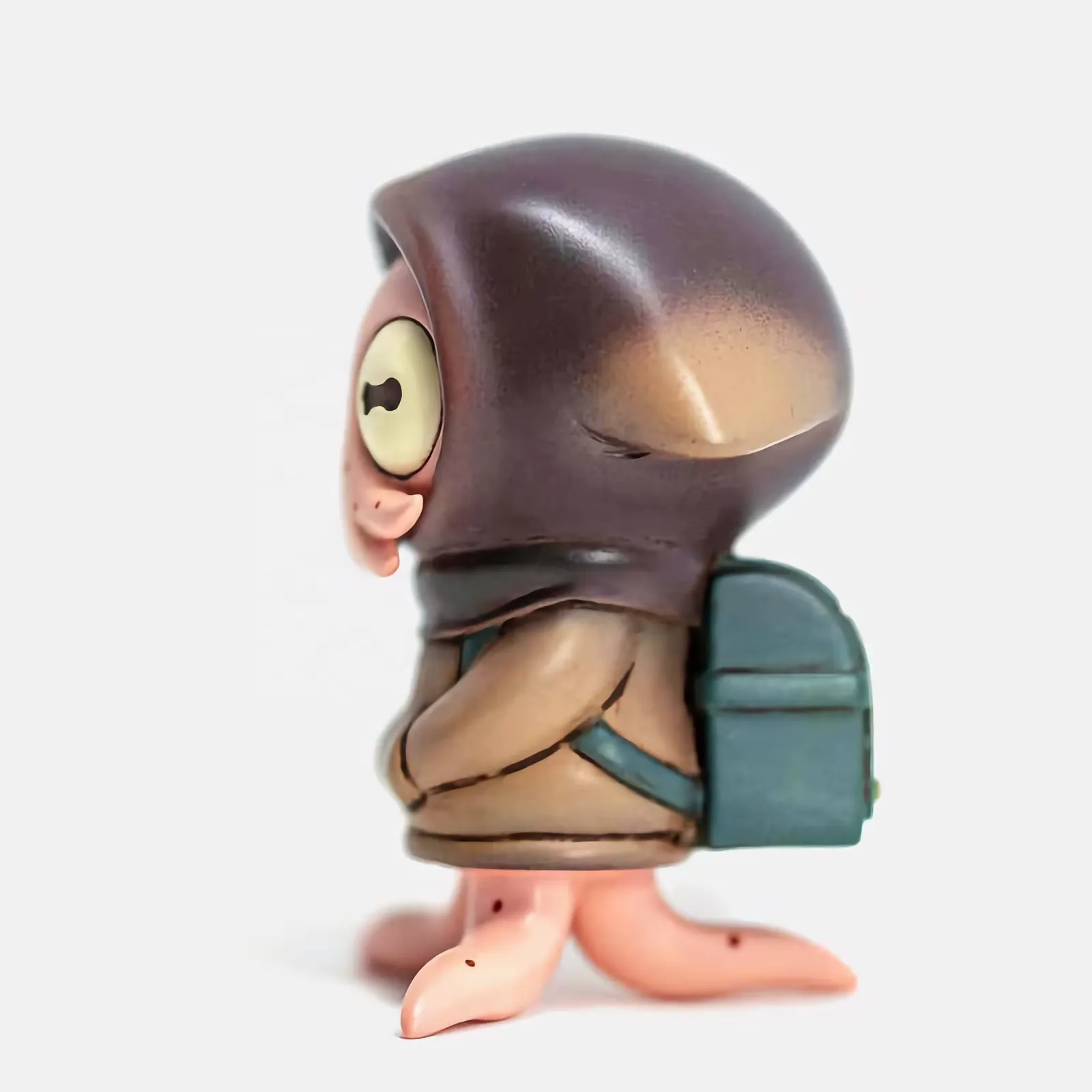
Soft vinyl, as buyers usually mean it, is a slightly flexible plastic. A thick part has a little give. A thin part can still tear or crease if it is too ambitious. The surface often reads as smooth and a little warm, which is why many designer and art toys live in this family.
Color and paint sit on that surface. A matte body and a glossy eye are different operations. Soft edges are easier to live with than a razor-sharp undercut. Hair, hoods, and small accessories that look light in a drawing may need to be thickened or made as a separate part.
The first model is a sculpt you can review from more than one angle, then a paint master, then a packed sample in the tray you intend to use. An unpainted piece is useful precisely because it has no color to hide a silhouette problem.
Hard PVC
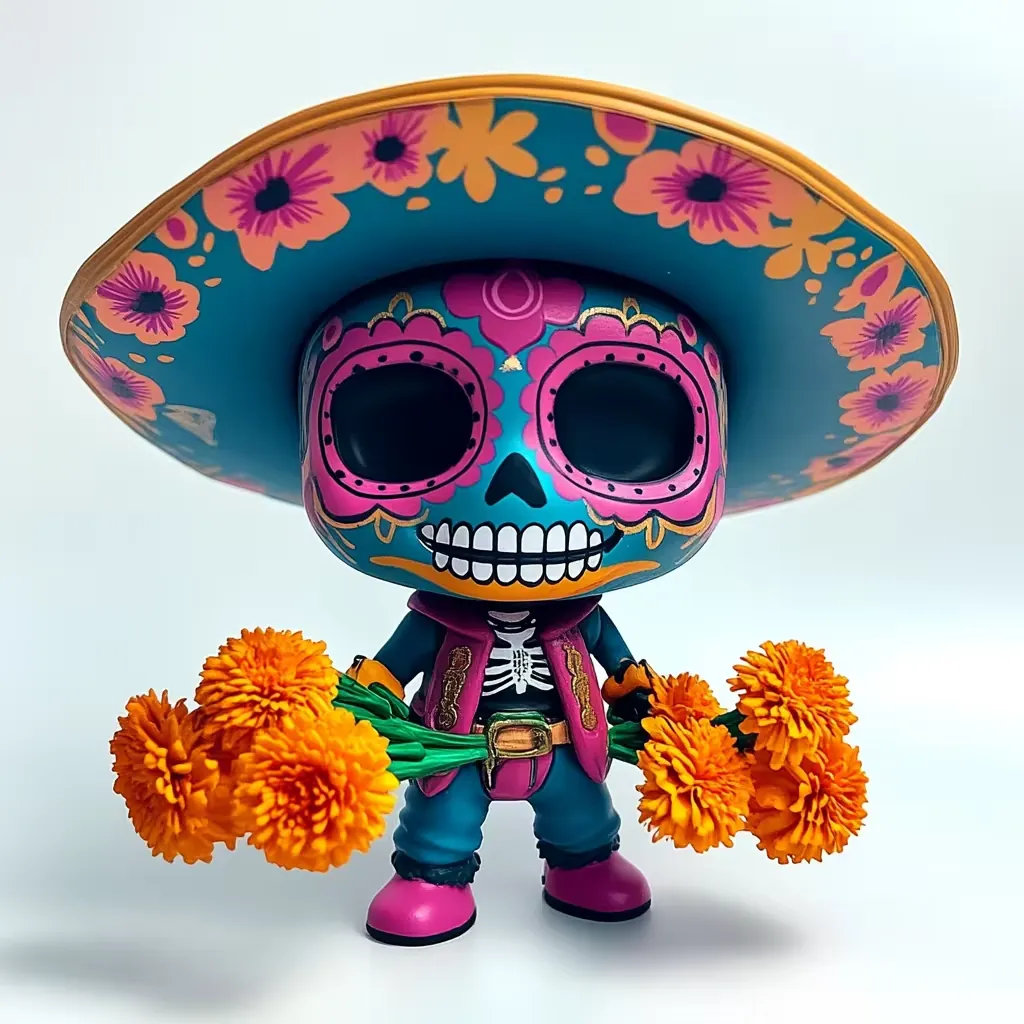
Hard PVC is rigid. It holds a sharper edge and a finer engraved line. It is a common choice for a smaller figurine, a harder statue-like piece, or parts that must stay crisp: a brim, a thin blade-shaped accessory, a base that cannot flex.
The feel is cooler and less "squeezy." A drop onto a hard floor is a different risk than it is with soft vinyl. Paint can be very precise; it can also chip at a sharp corner if the handling and the pack are not designed for that edge.
Hard PVC is not automatically "higher quality." It is a different material with a different set of compromises. If you want a collectible that feels like a traditional designer vinyl, hard PVC may fight the brief. If you want a sharp display figurine, soft vinyl may look softer than the artwork promised.
A practical comparison
| Soft vinyl | Hard PVC | |
|---|---|---|
| Feel | Slightly flexible, warmer in the hand | Rigid, crisp, cooler |
| Detail | Generous forms; thin parts need care | Sharper edges and finer lines |
| Paint | Soft breaks are easier; large color areas are common | Precise lines; sharp corners need a careful pack |
| Typical brief | Designer or art toy, mascot, limited palette | Display figurine, sharper statue, rigid accessories |
| Sample should prove | Silhouette, flex at thin points, paint, standing stability | Edge quality, paint at corners, stability, pack protection |
Joints and articulation are a separate decision. A hard part can be a jointed figure; a soft part can be static. If you need movement, say so in the brief. The companion note on action figures vs figurines vs vinyl art toys is the place for that vocabulary.
What the brief should name
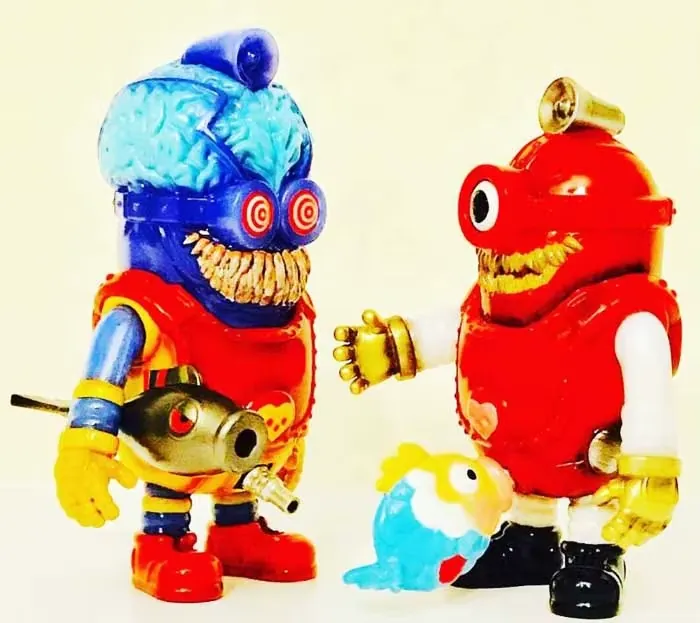
Name the material you think you want, or describe the feel: "a little give" or "a hard display piece." Send artwork you own. Say whether the figure must stand alone, sit in a tray, or hang. Say if a color is a brand color that has to be close.
We do not develop someone else's character. We do not treat a popular silhouette on another site as a starting point we can copy. Original work, or work you already have the right to use, is the only path.
The first sample is the conversation. The prototyping note is the path to that sample. When the artwork is ready, or when you only have a rough mascot and a market, send the brief. Include who owns the character, and whether you are asking for soft vinyl or hard PVC. We will tell you if the sculpt fights that choice.